Why Scandinavia Is Top "Coolcation" to Escape the Summer Heat
Author:Tooba
Summer trips feel much better when you do not have to worry about the heat all day long. You can enjoy long walks in the afternoon and get much better sleep at night. Your trips will still feel fun after you eat your lunch. Finding a cool place helps you move around without getting tired too fast. It is nice to see new sights when the sun is not too bright. You will find that your whole mood gets better.
Cooler Weather Changes The Whole Day
The real value here is daily usability. In many southern cities, the middle of the day becomes wasted time. In Scandinavia, the weather usually lets you keep moving without treating shade and air conditioning like emergency infrastructure.
Average Summer Temperatures Explain The Appeal
Average summer temperatures make the case better than any trend label. Copenhagen usually sits near 22°C, or 72°F, in July. Stockholm often reaches around 24°C, or 75°F. Bergen and western Norway are cooler again, often around 18°C to 20°C, or 64°F to 68°F. Those figures matter because they keep cities and hiking areas usable. Official planning resources such as Visit Denmark, Visit Sweden, and Visit Norway help.
Long Daylight Works Better Without Harsh Heat
Long daylight only feels magical when the air stays manageable. In Scandinavia, you can finish lunch and still want to cycle, walk, or sit outside near the water. The trip does not collapse into an active morning and a miserable afternoon.
Copenhagen Turns A Warm Day Into A Good One
Copenhagen is one of the clearest examples of why cooler summer travel works. The city is made for outdoor life. It rewards people who want to move naturally instead of bouncing between indoor attractions just to stay comfortable.
Bikes And Harbor Swims Beat Heat Management
Urban swimming is one of the city’s best habits. At places like Islands Brygge, getting into the water feels normal rather than staged. Renting a bike through Donkey Republic is often smarter than buying a transit pass. Expect around $18 to $25 a day for a bike.
Pay More For The Right Neighborhood
A central hotel or apartment in Vesterbro or Nørrebro might cost $170 to $240 a night through Booking.com or Expedia. That sounds expensive, but a cheap outer stay often creates extra transport costs and wasted time. In Copenhagen, location often saves more than it costs.
For a fuller day, add Tivoli Gardens in the evening, a canal walk near Nyhavn, or a picnic by the harbor. These are easy to fit into the day because the weather usually stays comfortable enough to keep moving.
Stockholm Gives You Sea Space Without Leaving The City
Stockholm works differently from Copenhagen, and the real summer advantage is how easily it opens into the archipelago. You can stay in the city and still stretch a day into ferries, islands, and a quieter pace.
The Ferry Ride Is Part Of The Reward
Using Waxholmsbolaget ferries is one of the smartest Stockholm moves. Many visitors stop at the nearest famous island, which is usually where the crowd gathers. Staying on the ferry longer often gives you a calmer result. Places like Grinda or Sandhamn take more time, but that extra distance helps filter out quick day-trippers.
Save Money Before You Board
Summer hotel rates in Stockholm often run from $150 to $230 a night. Ferries are not the costly part. Convenience is. Island shops close early and charge more, so buy food and water in the city before boarding.
For activities, you can pair a Gamla Stan walk with one archipelago ferry day trip, then keep the rest of the day simple with a waterfront café or a swim stop. That mix works well because it gives you both urban time and nature without changing hotels.
Norway Rewards Slower, Smarter Planning
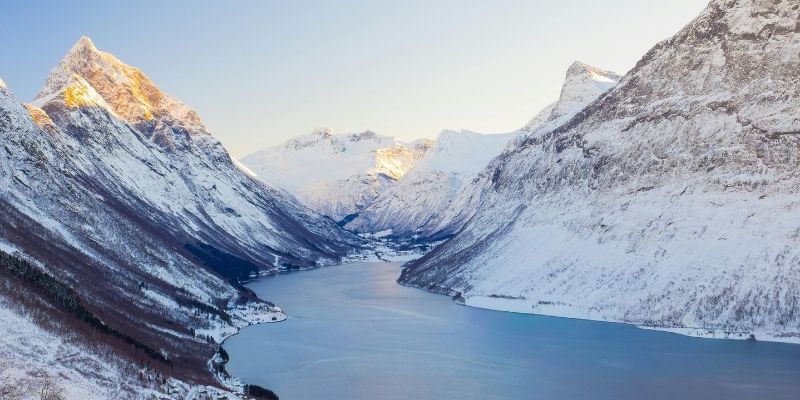
Norway is usually the strongest choice for travelers who want fresh air, fjords, and dramatic scenery without summer heat fatigue. It is also the place where rushed planning hurts the most. A Norway road trip looks simple on a map and much slower once ferries and mountain roads get involved.
A Fjord Road Trip Beats A Cruise Stop
A self-driven route from Bergen gives you a better fjord experience than a cruise stop built around fixed timing. Comparing rentals on Rentalcars.com helps, and Entur is useful for route planning. Summer car rentals often start around $90 to $130 a day before fuel, tolls, ferries, and parking.
A fjord-side cabin can run around $180 a night and up, but it may save hours of driving and repeated ferry costs. Norway rewards fewer bases and longer stays. That is one of the few places where spending more can actually lower stress.
Good routes often include Bergen, one or two fjord viewpoints, and a short hike rather than a packed multi-city loop. If you want more activity, add kayaking or a boat excursion when the weather is calm.
The Budget Feels High, But The Trade-Offs Are Cleaner
Scandinavia is expensive, but at least it is honest about where the money goes. Once you accept that, the region becomes easier to budget than places where you slowly lose money through taxis and overpriced last-minute choices driven by heat.
Food Savings Are Easier Than People Expect
In Sweden and Norway, Dagens Lunch often costs around $14 to $20 and usually gives better value than dinner. Supermarkets are strong enough that breakfast, fruit, bread, and picnic supplies can sharply cut daily spending.
A simple restaurant dinner often costs around $25 to $45 per person, so the cheapest strategy is usually lunch out, dinner light, and one grocery run for snacks. That keeps daily costs under control without making the trip feel overly strict.

Timing Can Change The Entire Experience
July has the longest evenings, but it also brings fuller ferries, pricier cabins, and more pressure on transport. Late August is often the better balance. The water is still usable for swimming, daylight remains generous, and the local holiday rush starts easing. Bring a sleep mask, because blackout curtains are never guaranteed.
Book The Anchors Early, Leave The Rest Loose
The best coolcation plans are built around a few early decisions, then left flexible at the edges. That suits Scandinavia well because ferries, rental cars, and good summer rooms disappear first, while daily choices are usually better handled after arrival.
Secure The Parts That Can Sell Out
Book the big anchors through tools like Skyscanner. Rental cars, ferry-heavy routes, and well-located rooms are the first pieces to get expensive. Smaller choices such as shops, cafés, and local walks can stay open until you arrive.
If you want the cheapest workable version, base yourself in one city and add one short side trip instead of changing hotels every night. That keeps transport costs lower and gives you more actual time on the ground.
Choose By Rhythm, Not By Country Count
Pick Copenhagen if you want to enjoy a simple city life during the warm summer months. You should visit Stockholm if you enjoy spending time in a big city but also want to see many islands nearby.
Norway is the top spot for people who want to see the most pretty views and mountains in the world. You must be ready to pay a higher price for everything there. These three places offer very different trips for every single traveler.
Latest News

The Smartest Ways to Travel Around Italy Without Overspending
March 18, 2026

All-Inclusive Vacation Packages Under $1,000 That Are Worth Every Cent
February 17, 2026

How To Book the Japan Rail Pass Without Overpaying Online
December 2, 2025

Uzbekistan Cuisine Decoded: What To Eat On Your First Visit
October 27, 2025
10 Budget Travel Destinations You Can’t Afford To Miss
September 24, 2025

5 Best Travel Booking Websites to Compare and Save Money
September 22, 2025