How Kochi Became India’s Must-Visit City for Food Travelers
Author:Tooba
Kochi isn’t the same city it was three years ago. In 2026, it’s moved beyond being just a stop on the way to Kerala’s backwaters—people are now staying several days just to explore it. And the reason? Food has taken center stage.
That focus changes how the day unfolds. Mornings start earlier, afternoons stretch out, and evenings slow down. Kochi works best for travelers willing to follow its pace - and less so for anyone rushing through.
Morning Catch Strategy at the Chinese Fishing Nets
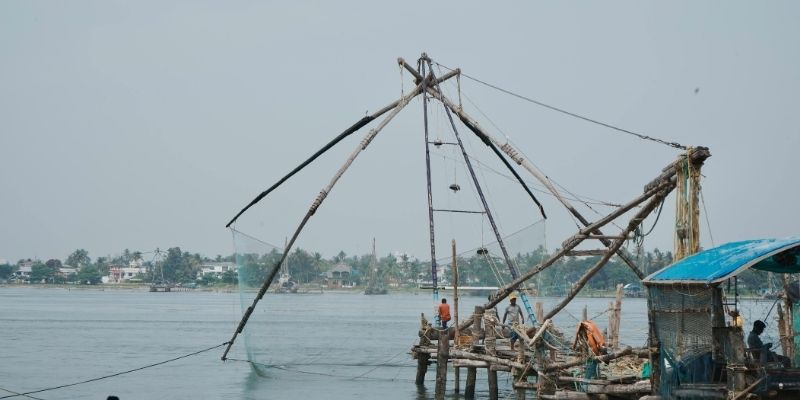
Standing near the Chinese fishing nets at 6:30 AM reveals a side of Kochi most visitors never see. At this hour, the nets function as working infrastructure rather than scenery. By mid-morning, the shoreline fills with tour groups and cameras. Earlier, the focus is labor.
Six men work the lever arms together, lifting the cantilevered nets through slow, repeated motions. The method has remained largely unchanged since the 14th century [5]. Watching the process explains why these nets were never decorative objects. They are heavy, physical tools that demand coordination and endurance.
What the Experience Is Actually Like
Humidity is unavoidable. Even before sunrise, the air carries salt, diesel from ferries, and the sharp smell of fish. Fishermen may invite visitors to help pull the ropes for a tip. Doing so once offers a useful sense of the weight involved, but the more revealing moment comes afterward.
The catch is sorted immediately. Small silver fish, prawns, and occasionally Karimeen (pearl spot) are separated and sold on the spot to nearby stalls. There is no storage or ceremony. What comes out of the net moves straight into circulation.
- Time required: Around two hours
- Physical effort: Low if watching, moderate if participating
- Terrain: Uneven stone walkways along Vasco da Gama Square
Costs
- Viewing: Free
- Pulling the nets: ₹200–₹500 ($2.40–$6.00) tip for a group
- Buy-and-cook option:
- oFresh prawns: ~₹800 per kg ($9.60)
- oCooking fee at nearby shacks: ₹300–₹500 ($3.60–$6.00) [1]
Who Benefits, Who Should Skip
This works best for early risers, photographers, and travelers interested in food supply rather than presentation. Anyone sensitive to strong smells or frequent vendor interaction may prefer watching from a waterfront café instead.
A Cheaper Way to Eat the Same Catch
The buy-and-cook shacks charge a premium for proximity. Walking five minutes inland leads to smaller tea stalls serving fresh fish fry for about ₹150 ($1.80), often from the same morning’s catch, without the added markup.
The Biryani Pilgrimage to Mattancherry
Fort Kochi delivers colonial visuals. Mattancherry delivers lunch. The area around Mattancherry Palace anchors Kochi’s biryani culture, which differs sharply from northern Indian versions. Kochi-style biryani uses short-grain Khyma rice, allowing ghee and fried onions to dominate rather than heavy spice [4].
Kayees Rahmathulla Café
Operating since 1948, Kayees Rahmathulla Café remains the benchmark. The room is functional, loud, and efficient. Décor is irrelevant. What matters is consistency.
- Mutton biryani:~₹320 ($3.85)
- Chicken biryani:~₹250 ($3.00) [6]
Arriving by 12:30 PM is essential. Mutton often sells out by 1:30 PM. Asking for extra masala on the side adds depth without overwhelming the rice.
Post-Lunch Walk Through Jew Town Spice Warehouses
After dining, a visit to the spice warehouses in Jew Town offers essential context for the regional flavors. The air here remains heavy with the scent of ginger and black pepper drying in open sacks [4]. While many visitors overspend on generic, pre-packaged spice sets found on the main tourist thoroughfares, a more strategic approach yields better quality and value [5].
The Real Value Strategy
- Location:Step into the narrow side alleys where wholesale dealers operate away from the souvenir shops.
- Quality Check:Prioritize vibrant green cardamom over faded yellow pods, which indicates freshness and higher oil content.
Typical Pricing
- High-grade Green Cardamom:Approximately ₹400 for 100g ($4.80).
- Value:This wholesale rate is roughly half the price charged on tourist-heavy streets [1].
These markets represent the historical heart of Kochi’s trade, offering travelers a tactile connection to the city's ancient spice route.
The Persistence of Kathakali Rituals
Kathakali performances are often dismissed as tourist-facing productions, but that judgment ignores the discipline behind them. In 2026, the Kerala Kathakali Centre continues to offer one of the most credible presentations in the city [3].
The Green Room Ritual
Arriving at 5:00 PM allows access to the makeup ceremony. Actors lie on the floor while artists apply thick pastes made from rice flour and natural pigments. The transformation from a human face to a mythological figure takes over an hour and often leaves a stronger impression than the performance itself.
Logistics
- Total time: About three hours
- Ticket cost: ~₹600 ($7.20) [3]
This suits travelers interested in technical art forms and mythology. Anyone seeking fast-paced or verbal storytelling may find the experience slow.
The 2026 Backwater Shift
Large overnight houseboats in Alleppey are losing favor. In 2026, travelers increasingly choose village-based backwater experiences closer to Kochi, particularly in Kumbalangi and surrounding islands [5]. These focus less on spectacle and more on daily life.
Punting Canoe Tours
Instead of diesel engines, these tours use narrow wooden canoes guided through canals. The scenes are ordinary but revealing. Women weave coir from coconut husks. Men stand barefoot in mud collecting lime shells.
Typical cost
- ₹2,500–₹3,500 ($30.00–$42.00) [2]
Usually included
- Two-hour canoe ride
- Craft demonstrations
- Sadya lunch served on a banana leaf
- Transport from Fort Kochi
Morning departures around 8:30 AM work best. Midday heat makes the canoe feel enclosed and uncomfortable.
Ernakulam Street Food and MG Road
A public ferry ride costing ₹6 ($0.07) connects Fort Kochi to Ernakulam, where daily eating habits replace curated menus [1]. This is where locals eat after work, not where visitors linger.
Pai Dosa on MG Road
Pai Dosa has expanded but retains its pace. Over 60 dosa varieties appear on the menu. Novel options attract students, but the ghee roast remains the standard by which quality is judged.
- Ghee roast dosa:~₹120 ($1.45) [1]
- Atmosphere:Loud, crowded, fast
- Best time:After 8:00 PM, once temperatures drop
Toddy Shop Cooking
Licensed toddy shops on the outskirts serve fermented coconut sap, but the food matters more than the drink. Dishes are aggressive in spice and unapologetic in flavor.
What to order
- Meen Pollichathu: Pearl spot fish marinated, wrapped in banana leaf, and grilled
- Cost: ~₹450 ($5.40) [6]
This is not an entry-level experience. Spice tolerance matters. For some, it will feel exhilarating. For others, overwhelming.
Logistics and Budgeting in 2026
Kochi in 2026 rewards travelers who prioritize local insight over polished tourist packages. Navigating the city efficiently involves using apps like Uber or Ola for auto-rickshaws, which eliminates the stress of fare negotiations. A typical five-kilometer journey costs approximately ₹100 ($1.20) [1].

Strategic Stays
Heritage homestays within Fort Kochi provide the most authentic value. Many of these establishments operate out of restored 200-year-old family homes, offering a level of historical immersion that modern hotels lack.
- Average Cost: ₹3,000–₹4,500 ($36.00–$54.00) per night.
- What is Included: Traditional Keralan breakfast and personalized local guidance.
High-Value Activities
- Kathakali at the Kerala Kathakali Centre: Tickets cost ₹600 ($7.20) [3]. Arrive by 5:00 PM to witness the intricate makeup ritual.
- Mattancherry Food Pilgrimage: A mutton biryani at the legendary Kayees Rahmathulla Café costs ₹320 ($3.85) [6].
- Village Backwater Tours: Half-day canoe trips in Kumbalangi cost roughly ₹3,000 ($36.15) [2].
Success in Kochi requires following the local clock. Visit the Chinese fishing nets at dawn to see them as working tools rather than props [5]. By choosing depth over a long checklist, travelers find that Kochi is one of the most rewarding culinary hubs in India [4].
Closing Advice for the High-Effort Traveler
The most common mistake in Kochi is prioritizing sights over meals. St. Francis Church and the Dutch Cemetery are worth seeing, but they require minutes, not hours. The city’s depth appears during long lunches, slow evenings, and repeated visits to the same food stall.
Plan days around breakfast, lunch, and dinner. Museums fit between meals, not the other way around. Cafés that resemble London or New York usually charge double for food that delivers half the satisfaction of a local mess hall two streets away.
Kochi in 2026 rewards patience, appetite, and curiosity. Those willing to give the city time often leave having eaten better than they expected and understood more than they planned.
References
[1] Wise / Numbeo (2025). Cost of Living and Dining in Kochi, India.
https://wise.com/gb/cost-of-living/india/kochi
[2] Viator (2026). Kochi Food Tours and Walking Experience Pricing.https://www.viator.com/Kochi-tours/Food-Tours/d952-g6-c80
[3] Kerala Kathakali Centre (2026). Official Performance Schedule and Ticket Rates.https://www.keralakathakali.com/book-online
[4] The Locavore (2025). Guide to Eating Out in Kochi: Biennale Edition.https://thelocavore.in/2025/12/24/the-locavore-guide-to-eating-out-in-kochi/
[5] GetYourGuide (2026). Fort Kochi Heritage Walking Tours and Street Food Trails.https://www.getyourguide.com/kochi-l743/
[6] Trip.com (2026). Kochi Restaurant Travel Recommendations.https://sg.trip.com/moments/type-destination-kochi-2012-restaurant-2/
Latest News

European Luxury Day Spa Escapes You Can Actually Afford
October 31, 2025
Hidden Benefits Of Traditional Thai Massage You Didn't Know
October 27, 2025

6 Best Travel Rewards Programs To Join This Year
September 30, 2025

5 Best Travel Booking Websites to Compare and Save Money
September 22, 2025

Most Beautiful Hiking Trails in the US for Nature Lovers(Even For Beginners)
September 2, 2025
How to Choose the Best Adventure Tour Company (Simple Guide for First-Time Travelers)
August 24, 2025