Asia Travel Guide: First Time Itineraries That Work
Author:Muhammad Usama
Planning a first-time Asia travel itinerary can feel overwhelming. The region is vast, the cultures are diverse, and every city looks like a must-visit.
Use this Asia travel guide to choose a simple route that fits your time, budget, and style without Stress.
How to choose your first route
For your first trip to Asia, start by picking one region. Southeast Asia is often easiest: short flights, simple visas, and affordable daily costs.
Limit your itinerary to three base cities for a two-week trip. Fewer transfers mean more time exploring temples, markets, and local streets instead of airports.
Choose a central hub city as your entry point. From there, short flights or trains can connect your other destinations efficiently.
Book your first and last nights early, ideally near the airport or city center. Leave a small buffer in your schedule for spontaneity, rest, or unexpected local events.
Check entry requirements, visa rules, and health guidance on official portals before buying tickets, and verify them again about a week before departure. Pack personal medications, and consider travel insurance for peace of mind.
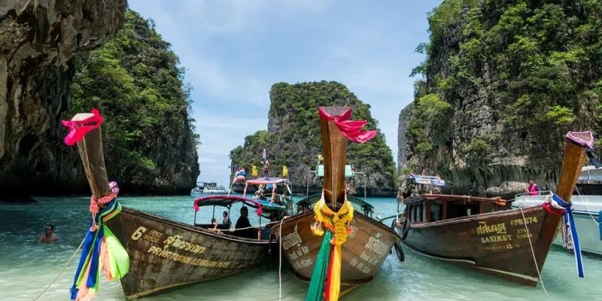
Two-week Asia itineraries that work
Route A: Southeast Asia essentials
Bangkok 3 nights → Siem Reap 2 → Hanoi 3 → Hoi An/Da Nang 2 → Singapore 3
This route connects major hubs with good international flights and simple regional hops, keeps transfers short, and blends temples, markets, street food, history, and modern city vibes into a balanced trip.
Bangkok (3 nights)
Start in Thailand’s energetic capital. Visit the Grand Palace and Wat Pho early to avoid crowds, then take a Chao Phraya river ferry ride for local life on water. Wander the backstreets of Chinatown and sample pad Thai, mango sticky rice, or boat noodles at alleyside stalls. In the evenings, check out Asiatique Riverfront Night Market for shops, river views, and local eats. Staying near the riverside or Sukhumvit makes airport or onward transfers easy.
Tips: Book temple entries early (especially for the Grand Palace), carry water in Bangkok’s heat, and use the efficient BTS/MRT metro to skip taxi traffic.
Siem Reap (2 nights)
Fly into Siem Reap–Angkor International Airport and dedicate a day to Angkor Wat sunrise — it’s worth rising early. Buy a one‑day or three‑day pass depending on how much you want to explore the wider complex. Start with the main temple at dawn, then cycle or tuk‑tuk to Bayon (with faces) and Ta Prohm (the “Tomb Raider” jungle site) in the smaller circuits.
In the evening, stroll the Old Market and Pub Street area for casual dining and artisan stalls. If time allows, a short excursion to Tonle Sap Lake village communities offers a contrasting local perspective.
Hanoi (3 nights)
The French‑influenced capital is compact and walkable. Wander the Old Quarter’s maze of streets, sip egg coffee at sidewalk cafés, and catch Hoan Kiem Lake at dawn. Try a street food tour for pho, bun cha and banh mi. A day trip to Ninh Binh (karst landscapes) or a Halong Bay/Lan Ha Bay overnight cruise adds unforgettable scenery if your budget allows.
Pro tip: Keep an eye on pickpockets in busy areas and negotiate xe ôm (motorbike taxi) or tuk‑tuk fares before riding.
Hoi An or Da Nang (2 nights)
Fly to Da Nang then transfer to nearby Hoi An. Hoi An’s UNESCO‑listed old town is perfect for evening strolls among lantern streets, tailor shops, and local specialties like cao lau. If you prefer beaches and big‑city energy, base in Da Nang and squeeze in Marble Mountains and coastal sunsets.
Singapore (3 nights)
Finish in Singapore’s efficiently laid‑out island city. Explore hawker centres (affordable, authentic eats), Gardens by the Bay, Chinatown, Little India, and Marina Bay by metro. Shopping at Ngee Ann City on Orchard Road is another urban highlight.
Route B: Japan and Korea highlights
Tokyo 4 nights → Kyoto 3 → Osaka 2 → Seoul 4
Why this works: These cities are connected by world‑class transit networks, super walkable neighbourhoods, and seamless airport/train access. You get neon city life, centuries‑old culture, and modern food scenes in one trip.
Tokyo (4 nights)
Tokyo pairs tradition and hypermodern culture beautifully. Start in Asakusa at Senso‑ji Temple, then wander backstreets and sample tempura or street snacks. Head to Shibuya Crossing at twilight for that iconic neon bustle. Spend at least one night in Shinjuku or Shibuya for late‑night ramen counters and izakaya alleys.
Day trips:
Nikko (shrines in cedar forests, scenic waterfalls).
Kamakura (big Buddha, seaside temples).
Both are reachable in ~1–2 hours by train from Tokyo. A Japan Rail Pass or regional passes streamline these hops and long‑distance travel later. For inner‑city travel, pick up a Suica/PASMO card for touch‑and‑go access on subways and buses.
Kyoto (3 nights)
Kyoto is the heart of traditional Japan. Visit Fushimi Inari Taisha at sunrise to beat crowds on the vermillion torii paths. In Higashiyama, stroll temple trails and teahouses; Gion in the evening offers geisha‑era streets and quiet moments over matcha sweets.
Day trip idea:
Nara: ~40–50 min train ride from Kyoto — see Todai‑ji’s Great Buddha, wander Nara Park with deer, and enjoy peaceful shrines.
Osaka (2 nights)
Just a short hop from Kyoto by train, Osaka is the food capital of Kansai. Dive into Dotonbori for takoyaki, okonomiyaki, kushikatsu, and night lights. Visit Osaka Castle Park for history and gardens, and explore quirky districts like Shinsekai or Shinsaibashi for shopping and snacks.
Tips:
Kansai International Airport serves Osaka and has good links to Kyoto and Tokyo via express trains.
Consider a one‑day Osaka Pass for unlimited transit and attraction entries if you plan a heavy sightseeing day.
Seoul (4 nights)
Fly from Osaka’s KIX to Seoul (about 2 –2.5 hours). Seoul blends history and modern culture exceptionally well. Visit Gyeongbokgung Palace — the largest Joseon dynasty palace — and watch the guard ceremony. Wander Bukchon Hanok Village’s traditional Korean houses and sip tea in artisan cafés.
More to do:
Hongdae for nightlife and street performances.
Myeongdong for shopping and Korean street eats like tteokbokki and bibimbap.
Book a DMZ tour from Seoul if you want a deeper historical context.
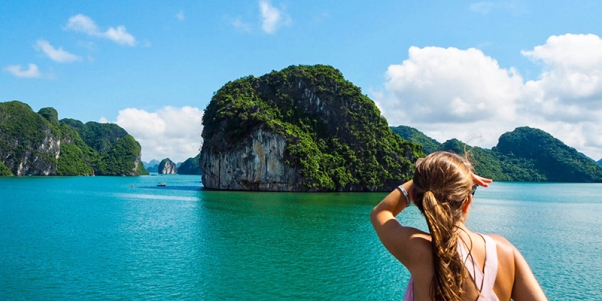
Backpacking routes for first timers
Classic SEA Loop: Bangkok → Siem Reap → Phnom Penh → Ho Chi Minh City → Da Nang or Hoi An
This is one of the most iconic beginner backpacking circuits in Southeast Asia because it follows a logical north‑to‑south flow with strong transport links, culture highlights, and budget‑friendly options.
Route breakdown:
Bangkok, Thailand – Bustling capital with temples, street food lanes, and excellent bus/train/flight links.
Siem Reap, Cambodia – Base for Angkor temple complex; tuk‑tuks are cheap for moving around.
Phnom Penh, Cambodia – History museums and riverfront vibe tell the story of Cambodia’s modern and ancient past.
Ho Chi Minh City, Vietnam – Energetic urban streets, war history, and food markets.
Da Nang or Hoi An, Vietnam – End with beaches, lantern‑lit lanes, and slower pace before departure.
Why it works:
You keep travel distances sensible by following a geographic line from central Thailand down to central Vietnam.
Each city has well‑established backpacker infrastructure, from cheap hostels to solo‑traveler meetups.
You can mix buses, trains, and short flights (e.g., to skip long overland legs) while staying on budget.
Island Hop on a Budget: Kuala Lumpur → Penang → Langkawi or Perhentian Islands
If you’re drawn to food, culture, and beaches without long overland journeys, this peninsular Malaysia route is smooth and cheap:
Kuala Lumpur: Modern city, budget food courts, and great transit to the north.
Penang (George Town): Heritage town with street art, colonial architecture, and a famous food scene.
Langkawi or Perhentian Islands: Both are backpacker‑friendly island bases — Langkawi is bigger with ferries and budget stays; Perhentians are smaller and quieter.
Tips for this route:
Use intercity buses or ETS trains between cities to keep transit low‑cost.
Ferries to islands vary by season; check schedules and buy tickets early in high season to avoid sell‑outs.
Penang’s hawker centres are world‑famous and pack a lot of cuisine variety into a low daily food spend.
Culture String: Hanoi → Hue → Hoi An → Da Nang, then fly to Singapore for an Easy Finale
This route focuses more on cultural depth, scenic diversity, and urban comforts at the end:
Hanoi: Street life, lakeside loops, coffee culture, and easy day trips to karst landscapes like Ninh Binh.
Hue: Imperial citadel and royal tombs on the Perfume River.
Hoi An: A UNESCO old town with lantern streets, tailor shops, and slow afternoons.
Da Nang: Beaches, Marble Mountains, and food market stops.
Singapore: A clean, walkable city with hawker centres, gardens, and smooth transport to wrap up your trip.
Why this works:
You blend deep cultural zones in Vietnam (north to central) with a modern city break in Singapore.
Singapore can be pricier, but you only need three nights to sample its food, parks, and neighbourhoods before departure.
Daily cadence that keeps energy high
A consistent daily rhythm helps avoid burnout while covering the highlights:
Morning:
Aim for one headline site before crowds (temples, viewpoints, iconic museums).
Follow with a local breakfast and coffee — pho or banh mi in Vietnam; roti and teh tarik in Malaysia; pad Thai in Thailand.
Midday:
Visit a museum, cathedral, or shaded cultural site.
Enjoy an extended lunch at a local market or café.
Take a cool break in a museum or shaded park zone to recharge from heat or walking.
Late Afternoon:
Walk riverfronts or major parks for light activity before sunset.
Take in leisure sites that require less energy (urban murals, heritage lanes).
Evening:
Explore city tours on foot, street food alleys, or one pre‑booked experience like a cultural show or night market stroll.
Night markets are great for affordable dinner, souvenirs, and relaxed vibes.
This cadence balances activity with rest, so you see more without draining your energy.
Cost benchmarks per day
Having clear daily cost expectations helps with budgeting before and during your trip.
Southeast Asia (SEA):
Dorm beds and hostels plus local eats + transit: roughly $25–$45 per day if backpacking simply.
A comfortable mid‑range pace with budget private rooms and occasional tours or domestic flights: $45–$90 per day.
These figures include accommodation, local transport, meals, and basic entry fees. Street food is often the most economical choice and a cultural experience too.
Japan and Korea:
Backpacking through Japan and Korea is inherently pricier due to the cost of accommodation, transit passes, and meals.
Typical daily budgets for business hotels and transit passes with sit‑down meals range from $90 to $160 per day.
Hostels, guesthouses, and careful meal planning (e.g., bento lunch deals or convenience store meals) help trim this overall cost.
Factoring in long‑distance trains (Japan Rail Pass), metro costs, and occasional splurges on experiences explains the higher range.

Trim Costs With Everyday Tactics
Lunch specials and markets:
Many cities have set lunch specials at local cafés and izakaya or hawker stalls — great value and often tastier than tourist restaurants.
Grocery snacks & convenience stores:
Buying water, snacks, fruit, and coffee from local supermarkets or convenience chains (7‑Eleven, Family Mart) saves on frequent café prices.
Transit day passes:
Cities like Kuala Lumpur, Singapore, or Seoul offer day transit passes that are cheaper than paying for trips individually — good for museum days or sightseeing circuits.
Book smart transport:
Low‑cost carriers like AirAsia, VietJet, Scoot are plentiful in the region for short hops (Bangkok → Siem Reap, Da Nang → Singapore, etc.) and often under $50 if booked early.
Best Asia Itineraries for First‑Time Travelers by Style
Food‑Focused:
-
Bangkok (pad Thai, boat noodles)
-
Hanoi (pho, egg coffee)
-
Osaka (okonomiyaki, takoyaki)
-
Seoul (street eats, Korean BBQ)
These cities are known for iconic local dishes and food lanes that match backpacker budgets.
Culture First:
-
Kyoto (temples, tea houses)
-
Siem Reap (Angkor)
-
Hoi An (historic town)
-
George Town (Penang) (street art, heritage zones)
This style focuses more on deep dives into history, architecture, and heritage.
City and Nature Mix:
-
Tokyo with Nikko (shrine forests)
-
Hanoi with Ninh Binh (limestone landscapes)
-
Singapore with Southern Ridges walk (urban nature trails)
Each combines urban culture with quick nature escapes.
Relaxed Pace:
-
Chiang Mai – temples, mountains, slow‑paced markets
-
Luang Prabang – Mekong river vibes
-
Penang – boutique heritage and beach relax
Slower routes allow time to linger, rest, and truly absorb local rhythm.
Where to Go in Asia for Your First Trip if You Want Beaches
If beaches are a priority, add these to your backpacking routes:
Phuket or Krabi, Thailand: Friendly hostels and amazing limestone shorelines.
Da Nang or Hoi An, Vietnam: Mix beaches with history and urban life.
Langkawi or Perhentian Islands, Malaysia: Rustic beaches and clear waters.
Planning tip: Use the core three‑city rule (e.g., Bangkok → Hoi An → Singapore), then insert two beach days at the end for rest and coastal scenes.
Smart Travel Planning Basics
Documents: Check up‑to‑date visa requirements, passport validity, and any transit rules on official government or embassy portals well before departure and again close to your travel dates.
Health: Consult destination health advisories (e.g., CDC or local health ministries) for vaccines, food‑safety tips, and altitude/heat guidance.
Money:
Bring at least one no‑foreign‑transaction‑fee card plus a backup. ATMs are plentiful in cities but fees vary.
Keep small cash in local currencies for markets and tuk‑tuks.
Connectivity: Buy eSIMs or local SIM cards at arrival airports for instant access to maps, translation, and ride apps like Grab or Gojek.
Packing: Pack light but include sun/rain protection, versatile layers (for heat and occasional cool nights), and comfortable shoes that handle diverse walking surfaces (markets, temple steps, trails).
Latest News
10 Travel Hacks for Long Flights You’ll Wish You Knew Sooner
February 16, 2026

How To Plan A Multi-City European Trip: A Step-By-Step Guide
February 9, 2026

Wine Tasting Tours For Relaxation And Flavorful Adventures
December 1, 2025
World's Top 100 Cities Revealed - These Three Cities Have Topped For 11 Years
October 9, 2025
12 Beautiful Gardens Around the World That Feel Like Heaven
September 19, 2025
How to Get the Best Last-Minute Travel Deals on Flights and Hotels
September 12, 2025