Sicily on a Shoestring: How to Spend Less, See More, and Eat Everything
Author:sana
Dreaming of sun-drenched coastlines, ancient ruins older than Rome itself, and some of the best pasta you will ever taste? Sicily, the jewel of the Mediterranean, often gets a reputation for being expensive. While it is true that a chair on a glamorous beach club in Taormina will cost you, the island is remarkably affordable if you know the tricks of the trade.
Budget Planning: Where Your Money Goes
Sicily offers a wide range of cost options, from backpacker budgets to mid-range comfort. Depending on whether you choose street food or seafood restaurants, bus passes or rental cars, your daily spending can flex significantly.
Here is a snapshot of what you might pay per person (excluding long-haul flights):
Budget Backpacker (€50-70/day): Hostels or camping, street food meals (€15-€25), local buses, and free beach days.
Mid-Range Traveler (€90-140/day): Private B&Bs, renting a small car for a few days, mixing trattoria dinners with market picnics, and paid archaeological entries.
Luxury (€250+/day): Boutique hotels, rental car with full insurance, fine dining, and guided boat tours.
Find Your Sweet Spot: Timing is Everything
Sicily gets incredibly busy (and expensive) in July and August when temperatures often exceed 30°C (86°F) and the beaches are packed. To save money and actually enjoy the sights, aim for the shoulder seasons or the quiet winter months.
Best Value: October & April/May | The weather is still warm enough for swimming, there are fewer crowds, and accommodation prices drop significantly.
Great for Hiking & Culture: March, June, & September | These months offer a perfect balance of sun and comfort. Hiking Mt. Etna or exploring the Valley of the Temples is much more pleasant without the summer heat.
Cheapest (Winter): November to February | While it might be too chilly for swimming, this is the low season. Flight prices can plummet by up to 50%, especially in January, making it ideal for exploring the historic cities without the tourist crowds.
How to Get There Without Breaking the Bank
If you are flying from European hubs, you are in luck. If you are coming from the US or Asia, there are strategies to save.
Compare the Airports: Sicily has two major international airports—Catania (CTA) and Palermo (PMO) . Generally, Catania sees more budget carrier traffic, but always compare both. Don't forget the smaller airports like Trapani (TPS) or Comiso (CIY), which often have incredible deals with Ryanair from cities like London, Berlin, or Madrid.
Budget Airlines Rule: European low-cost kings like Ryanair and EasyJet dominate the skies here. Fares from major European cities can dip as low as €20-€40 if you book a few months in advance and travel light.
Search Smart: Use flexible date tools to find the cheapest days to fly (usually Tuesdays and Wednesdays). Setting up price alerts can help you pounce on sales before prices skyrocket.
Getting Around: Buses, Trains, and the Car Dilemma
Renting a car in Sicily gives you total freedom, but it comes with costs: rental fees (€30-€60/day), expensive fuel (around €1.80/litre), and the nightmare of ZTL traffic fines in historic city centers. However, a car is essential for reaching hidden coves or remote hilltop villages that buses don't serve.
Here is the secret: You don't have to choose just one.
The Savvy Hybrid Approach: Use Trenitalia trains to move between the major cities like Palermo, Cefalù, Messina, and Catania. Tickets are cheap, and the coastal views are stunning.
The Bus Solution: For destinations the train misses (like Agrigento or the interior towns), intercity buses (like SAIS, Interbus, or AST) are faster and more frequent than trains. A bus from Palermo to Catania costs roughly €10-€15.
The One-Day Rental: Rent a car for just one or two specific days to explore Mt. Etna or the Val di Noto, then drop it off and continue your trip by train.
Where to Sleep: Monasteries, Camping, and Farmstays
You don't have to stay in a sterile hotel to save money. Some of Sicily's most unique and affordable lodgings are off the beaten path.
Agriturismo (Farm Stays): These are a huge part of Sicilian culture. You can stay on a working olive or wine farm, often with a home-cooked dinner included. Prices for a double room with breakfast can start as low as €35 per night.
Monastery Stays: For a truly unique (and quiet) experience, look for convents or religious institutes that rent rooms. In towns like Cefalù, you can snag sea-view rooms in historic buildings for around €45 a night.
Camping: If you are visiting between May and September, camping is a fantastic way to save. Sicily has well-equipped campgrounds near beaches, the Valley of the Temples, and even on the slopes of Etna.
Eating Like a King on a Street Food Budget
Food is where you can either blow your budget or save it. Sicily is the home of arancini (fried rice balls), panelle (chickpea fritters), and sfincione (Sicilian pizza).
The €5 Meal: Head to the local markets. At Palermo's Ballarò or Vucciria markets, or Catania's La Pescheria, you can feast like a local for just a few euros. A slice of sfincione costs €1.50, a pane e panelle (chickpea fritter sandwich) is €2-€3, and an arancino is around €2-€3.
The Full Meal: If you want to sit down, look for "Trattoria" or "Osteria" rather than "Ristorante." You can get a pasta lunch for €8-€12. A full seafood dinner with wine will set you back €20-€30.
Pro Tip: First Sunday of the Month. If your trip aligns with it, mark your calendar. On the first Sunday of each month, many state museums and archaeological parks—including the famous Valley of the Temples in Agrigento—offer free entry.
Experience the Island with Money-Saving Resources
If you want to ensure you are getting the best route and prices for transportation, these official sites are your best friends.
Official Trenitalia (Trains): Use this site to check schedules and buy tickets for the regional trains connecting all the major coastal cities.
Interbus (Buses): The go-to for getting from Catania airport to the east coast resorts like Taormina and Siracusa.
Rental Cars: For the days you need a car to explore the interior or small towns, compare prices from a range of suppliers.
Free & Cheap Activities for Your Itinerary
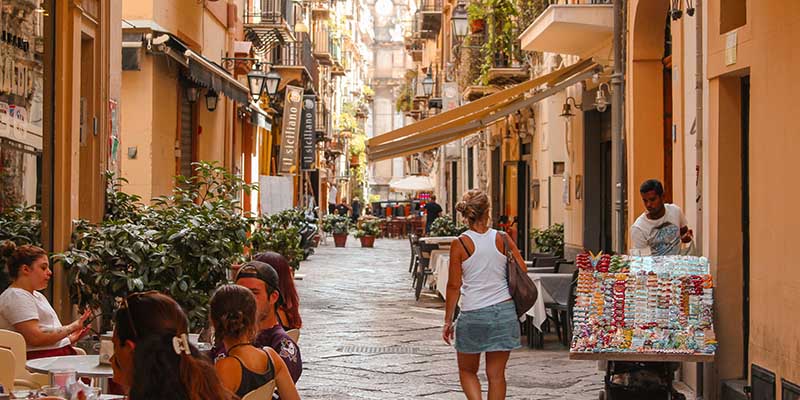
Soak up the Atmosphere: The Baroque towns of the Val di Noto (Noto, Ragusa, Modica) are open-air museums. Wandering their golden-stone streets and admiring the cathedrals costs nothing.
Hit the Free Beaches (Spiaggia Libera): Avoid the Lidos (beach clubs) that charge €20 for an umbrella. Look for signs reading "Spiaggia Libera" for free public beach access.
Hike the Nature Reserves: The Riserva dello Zingaro near Palermo charges a small entry fee (€5) for access to 7km of pristine coastal trails, but it is a steal for a full day of swimming and hiking. The Vendicari Reserve near Noto is also gorgeous and budget-friendly.
Join the Passeggiata: Every evening, locals flood the main streets to stroll, chat, and enjoy gelato. This nightly ritual is free, authentic, and one of the best cultural experiences in Italy.
Quick Budget Tip: Know Before You Go
Cash is King: While credit cards are accepted in big hotels and restaurants, many small market stalls, street food vendors, and bus drivers only take cash.
Dress Code: To avoid fines or being denied entry at cathedrals (like the one in Monreale), always carry a light scarf to cover your shoulders if wearing tank tops.
Ferragosto: If you are traveling in mid-August (around the 15th), note that many local shops, and even some restaurants, close for the Ferragosto holiday. Plan your food and accommodation in advance.
By mixing free activities, public transport, and a focus on street food, you can easily save 30-50% compared to a standard package tour. Sicily is waiting, and it’s more affordable than you think.
Latest News

The Best Cheap Beach Vacations You Can Actually Afford Right Now
February 24, 2026

How to Travel Overnight in Japan for Under $300 (Trains, Buses & More)
February 16, 2026
Southeast Asia Travel on a Shoestring: How to Do It Right in 2026
February 14, 2026

The Best Apps for Finding Last-Minute Hotel Deals
September 29, 2025

10 Bucket List Adventures You Can Actually Afford in 2026
September 21, 2025
10 Secret Beaches Where You Can Actually Escape the Crowds
September 20, 2025