How to Experience a Traditional Ryokan Stay in Japan on a Budget
Author:Tooba
A traditional ryokan stay looks expensive when you first search for it. In places like Hakone or Kyoto, polished inns can charge $300 to $500 per person for one night, which makes many travelers think the whole experience is out of reach. It is not, but you need to decide which parts matter to you, then cut the rest.
Pick The Kind Of Stay That Matches Your Budget
Most travelers overspend because they search only for ryokan and ignore cheaper types of traditional lodging. Once you understand the differences, it becomes easier to get the atmosphere without the luxury markup.
Minshuku Often Gives The Best Value
A minshuku is usually the smartest budget move. These family-run inns are simpler than formal ryokan, but you still get tatami floors, futons, shared baths, and home-style meals. Many good ones cost $55 to $90 per person with breakfast.
Older Ryokan Can Still Work
Not every ryokan is high-end. In older onsen towns, many traditional inns are just aging buildings in good locations. You may get shared toilets, older decor, and a small bath, but rates often land between $80 and $130 per person.
Save Money By Changing How You Book
The easiest savings do not come from giving up the stay. They come from removing expensive parts that matter less, especially meals, timing, and destination choice.
Book One Night With Meals, Not Every Night
Dinner is often what drives the price up. A room-only rate can be $25 to $60 cheaper per person than a plan with dinner and breakfast. A good compromise is one full ryokan night with both meals, then a second cheaper night with breakfast only or room only.
Weeknights Matter More Than People Expect
A Tuesday night can easily be $30 to $80 cheaper than a Saturday for the same room. If you are moving around Japan anyway, put your traditional stay in the middle of the week and save weekends for simpler city stays.
Avoid Big Holiday Windows
Golden Week, New Year, and peak autumn weekends push prices up fast. An inn that costs $85 in early June can jump to $160 or more during a holiday stretch. Late May, early June, and much of November outside leaf season usually feel calmer and cheaper.
Where To Book Budget Ryokan And Minshuku
Most travelers should start with Rakuten Travel if they want the biggest selection of local ryokan and minshuku, especially outside major tourist centers. It is often the best place to find smaller Japanese-run properties, but the interface and listing details can feel more Japanese-heavy than international booking sites.
Jalan, on the other hand, is another strong source for domestic-style listings and sometimes gives you better search filters for onsen towns, meal plans, and bath types.
Booking.com is usually easier to use if you want a fast, familiar interface, but it often has fewer budget ryokan and minshuku than the Japan-focused sites.
The most useful filters are simple: search for "no meals" or "breakfast only" to lower the rate, and check "shared bathroom" if you want to unlock cheaper rooms that are still traditional.If you are comparing several properties, open the room details carefully, because a cheaper headline price may hide meal requirements, bath restrictions, or occupancy limits.
Choose Towns Where Budget Inns Still Exist
Location makes the biggest difference. If you stay near Tokyo or in the most famous hot spring towns, you are paying for convenience as much as the room. Better value usually comes with a little extra travel.
Shibu Onsen Keeps The Old Feel
Shibu Onsen in Nagano is one of the easiest places to get the full old-town mood without a huge bill. Budget minshuku and older ryokan often cost $60 to $110 per person. Many stays include access to public bathhouses.
Shuzenji And Ito Beat Hakone On Price
The Izu Peninsula is a strong alternative for travelers who want hot springs without Hakone rates. In Shuzenji or Ito, older inns often sit in the $70 to $120 range on weekdays. You still get riverside walks, small temples, and bath culture.
Kusatsu Gives You Plenty To Do Nearby
Kusatsu is well known, but the number of inns keeps competition alive. Older places often start around $75 to $115 per person. You can watch the steaming yubatake, soak in public baths, and spend hours walking the compact center.
How To Find Cheap Onsen Towns Anywhere
A good rule is to look beyond the most obvious destinations and search for "secondary onsen towns" that sit a little farther from Tokyo or Kyoto. Towns in Nagano, Gunma, Shizuoka, and other rail-connected regions often offer the same atmosphere for less, especially if they are not the headline resort in the area.
It also helps to check train lines first and lodging second. If a town is on a convenient JR or private rail route, you can often save on taxis, reduce transfer stress, and still reach the inn easily.
For example, instead of focusing only on Hakone, look at nearby or similar-feeling places such as Shuzenji, Ito, Kusatsu, or Shibu Onsen. That gives you the same traditional travel experience with more room in the budget.
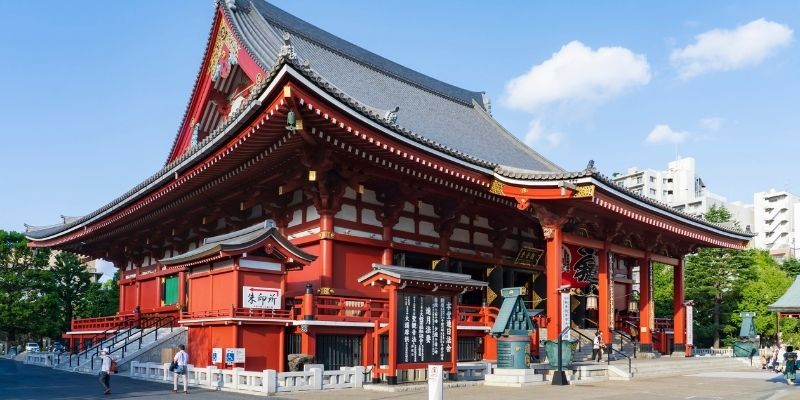
The best budget: skip the most famous resort belt, search a little deeper into onsen regions, and then filter by access, meal plan, and bath type.
Spend More Only Where It Changes The Stay
A budget ryokan stay gets much better when you pay extra in the right places. Some upgrades make the whole visit easier. Others barely matter once you are on the ground.
A Private Bath Can Be Worth It
If communal bathing makes you nervous, paying $10 to $20 to reserve a private bath is often worth it. That is far cheaper than booking a room with its own bath, which can add $100 or more.
Full Dinner Every Night Usually Is Not
One traditional dinner feels memorable. After that, the value drops unless food is the main point of your trip. In many onsen towns, a simple local meal outside the inn costs $8 to $18.
Better Access Can Save Money Too
Paying a little more for an inn near the station can cut taxi costs and wasted time. In small mountain towns, that can save $15 to $30 overall.
Fill The Stay With Low-Cost Activities
A ryokan stay works best when you slow down and use the town itself. You do not need a packed itinerary. Most of the good parts are simple and low cost.
Public Baths And Foot Baths Stretch The Experience
Many onsen towns have free foot baths and public baths that cost $2 to $5. If your inn includes bath access, even better.
Evening Walks Are Often The Highlight
In places like Shibu Onsen or Shuzenji, the best activity is often just walking after day visitors leave. The streets quiet down, everyone changes into inn robes, and the town finally starts feeling slower.
Small Museums And Temple Stops Stay Affordable
Local museums, temple gardens, and historic houses in onsen towns often cost $2 to $8. They fill the hours between check-in and dinner without pushing the budget.
If you want the cheapest version of a traditional stay, book a minshuku in Shibu Onsen, Ito, or Kusatsu on a weekday and keep the meal plan light. If you want one memorable ryokan night, pay a little more for dinner and a good bath town, then save elsewhere on the trip. Book small places early, stay flexible on weekends, and focus on tatami floors, hot water, quiet streets, and time to do almost nothing at all.
Latest News

Quiet Escapes in Northern Europe: 9 Places for Slow, Offline Travel
March 1, 2026
Top Tips for Booking Skip-the-Line Tickets Online (and Actually Saving Time & Money)
November 5, 2025

6 Best Travel Rewards Programs To Join This Year
September 30, 2025

How To Find Last Minute Plane Tickets Without Stress
September 26, 2025

How to Find Cheap Flights: Secrets from Travel Experts
September 24, 2025

Beyond Earth's Horizon: The Spectacular Rise of Space Tourism
September 17, 2025