European City Breaks: Best Walkable Cities To Visit In 2026
Author:Muhammad Usama
Want European city breaks in 2026 that are easy, fun, and car-free? Go where the old towns are compact, trams are frequent, and the best sights sit on your doorstep.
This guide spotlights the best walkable cities in Europe, with quick itineraries, budget angles, picks for couples, families, and solo urban exploration.
Why these cities work without a car
European cores were built for feet first: dense streets, pedestrian zones, and transit that beats traffic. EU cities are doubling down on walking, cycling, and public transport—great news for travellers planning car-light trips.
Top walkable city breaks
Lisbon, Portugal
Hilly, colourful, and stupidly photogenic; you can walk tram-to-tram through Alfama, Baixa, and Chiado and never get bored. Sunrise viewpoints, pastéis in Belém, and riverfront strolls make it easy to enjoy without a car.
- Best window: March–May, September–November
- Money tip: Grab the Lisboa Card (24/48/72h) for transit + museum entries; adult prices start around €31 for 24 hours and €51 for 48 hours.
Amsterdam, Netherlands
Car-lite canals, a tight museum triangle, and ferries that feel like rides — Amsterdam is built to wander. Base near Jordaan or De 9 Straatjes, and you'll cover a lot just on foot.
- Best window: April–June, September–October
- Money tip: GVB day ticket is €9.50 (multi-day passes from €15.50 for 48h) for unlimited trams/metro/buses inside the city.
Copenhagen, Denmark
Design everywhere, a pedestrian core around Strøget, and waterfront walks from Nyhavn to Christianshavn. Add a sunrise dip at Islands Brygge if you’re that person.
- Best window: May–September
- Money tip: DOT City Pass (zones 1–4 “Small”) covers city + airport; 24–120h adult passes run DKK 100–340. “Large” (zones 1–99) is DKK 200–680.
Florence, Italy
The historic centre is basically an open-air museum, and the ZTL keeps cars out — ideal for a feet-first art binge. Cross the river to Oltrarno for artisan workshops and better coffee.
- Best window: March–June, September–October
- Money tip: The official Firenzecard costs €85 for 72 hours and includes access to over 60 museums. The "Firenzecard Restart” time-extension add-on is currently free until December.
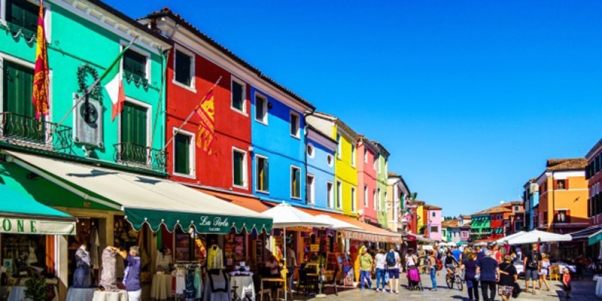
Venice, Italy
No cars, just alleys, bridges, and boats — Venice is peak wander. Stay in Cannaregio or Dorsoduro for calm nights and easy walks to the sights.
- Best window: March–May, September–November
- Money tip: ACTV vaporetto passes run ~€25 (24h), €35 (48h), €45 (72h), €65 (7-day). Single rides cost ~€9.50.
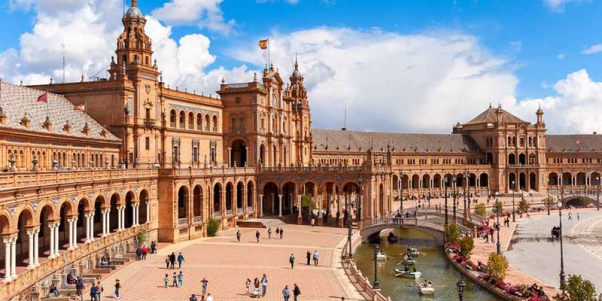
Seville, Spain
Flat, compact, and sun-drenched — you can knock out the Alcázar, Cathedral + Giralda, and tapas in Santa Cruz in one smooth loop. Evenings belong to Plaza de España.
- Best window: March–May, October–November
- Money tip: The TUSSAM Tourist Travel Card is €5 (1-day) or €10 (3-day) plus a €1.50 refundable deposit for unlimited bus travel (excludes airport line).
Prague, Czechia
Old Town to Castle via the Charles Bridge is a world-class walk, with Letná Park views as your victory lap. Trams make the hilly bits painless.
- Best window: April–June, September–October
- Money tip: 24-hour Prague transit ticket is 120 CZK; 72-hour is 330 CZK — great value if you’re bouncing between districts.
Edinburgh, Scotland
The Royal Mile stitches together castle and palace; New Town’s grid is perfect for cafe-hopping and Georgian house envy. Hike Arthur’s Seat for sunrise if you’ve got legs.
- Best window: May–June, September
- Money tip: The Lothian Buses CityDAY ticket is £5.50, while TapTapCap daily caps often hit £5.00; fares updated March.
Bruges, Belgium
A fairy-tale core of canals and cobbles — short sightlines make it wildly walkable. Evenings are best for quiet bridges and belfry views.
- Best window: April–June, September
- Money tip: The Musea Brugge Card is €33 for 72h and covers 10+ top sites, including the Belfry and Groeninge Museum.
Ljubljana, Slovenia
Pedestrian riverbanks, a petite old town, and easy castle access via funicular — it’s tiny, green, and super chill—great base for a Lake Bled day trip.
- Best window: May–September
- Money tip: Buy a €2 Urbana card and rides are €1.30 each with 90-minute transfers; perfect if you’re staying just outside the core.
Cheap weekend city breaks in Europe
- Porto (wine cellars, tiled stations, cheap eats)
- Valencia (park-through-the-city + beaches)
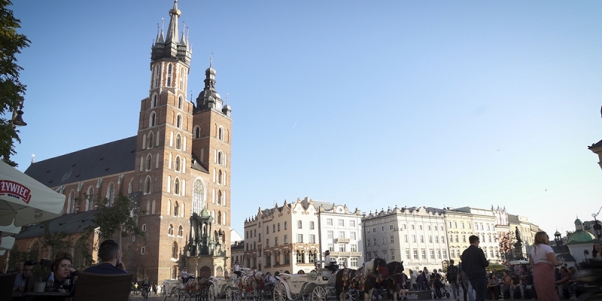
- Kraków (budget-friendly old town + cafes)
- Budapest (thermal baths + Danube views)
- Thessaloniki (waterfront promenades, low costs)
Most fun European city breaks for couples
- Paris (Left Bank strolls + Seine at blue hour)
- Seville (flamenco nights, rooftop sunsets)
- Venice (golden-hour canals, car-free lanes)
- Amsterdam (canal-front dinners, museum nights)
How to get around (no car needed)
Trains stitch the continent together; with a single pass, you can connect multiple European cities in one trip. Use the official Railway Map and the free Rail Planner app to slot times offline and spot reservations.
Money-savvy planning tips
- Aim for cheap weekend city breaks in Europe in the shoulder seasons (late spring/early fall).
- Sleep just outside the busiest core, but within a 10–15-minute walk.
- Book big-ticket attractions in advance; keep spontaneity for food and neighbourhoods.
- Scan national rail sites for promos; short hops can beat flights when you factor in airport transfers.
- Build one cultural trip anchor (museum, concert, festival) per day; keep the rest flexible.
Pack Your Bags
Pick two cities from this list, check rail times, and book a centrally located stay. With transit sets and sights clustered, you’ll squeeze more joy out of every hour and every euro on your best walkable cities in Europe itinerary.
Sources
[2] Eurail
Latest News
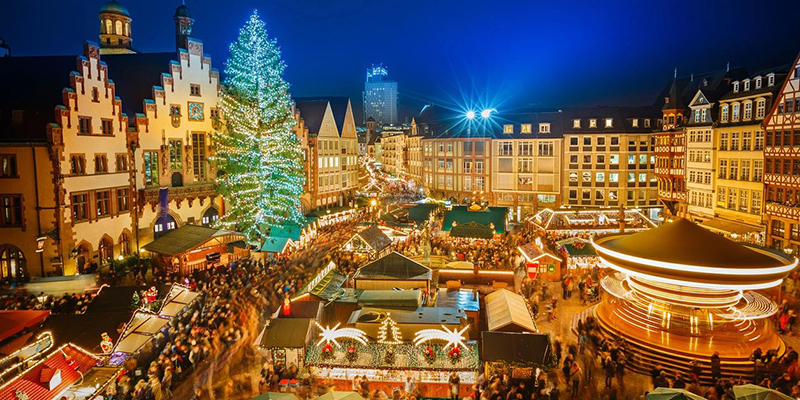
Explore Europe’s Best Christmas Markets: From Strasbourg To Vienna
October 20, 2025

10 Best Places To Go For Fun Family Vacations
October 3, 2025

Why Ziplining in the Mountains Feels Like Flying
September 30, 2025

10 Budget Travel Destinations You Can’t Afford To Miss
September 24, 2025

The World’s Most Beautiful Beaches That Are Actually Real
September 21, 2025
Sailing Into Paradise: Your Ultimate Cruise Vacation Guide
September 20, 2025