Best Multi-City Asia Tour Packages For Under $1,500 Total Cost
Author:Tooba
A multi-city Asia trip sounds expensive until you stop treating it like a packaged vacation and start treating it like a transport puzzle. The difference between spending $1,500 and spending $3,000 is often not the destination itself, but the way you move between cities, how much luggage you carry, and whether you let an agency lock you into slow transfers.
The best Asia tour packages under $1,500 are usually self-built routes using budget flights, regional trains, long-distance buses, and locally booked hotels. They require more effort than clicking on one bundled package, but they give you better timing, fewer forced stops, and more control over where your money actually goes.
Route 1: Bangkok, Siem Reap, And Ho Chi Minh City
This is one of the strongest budget multi city Asia itinerary options for first-time travelers who want temples, street food, history, and big-city energy without constant flights. Bangkok gives you easy international access, Siem Reap adds Angkor Wat, and Ho Chi Minh City finishes the route with Vietnamese food markets, museums, and affordable day trips.
The best part is the transport cost. You can travel from Bangkok to Siem Reap by cross-border bus for around $30 to $40, then fly or bus onward to Ho Chi Minh City depending on time. If you are short on days, take a budget flight from Siem Reap to Vietnam. If you are protecting every dollar, use a coach connection, but expect a longer and more tiring day.
A realistic 10-day version looks like this:
| Route Section |
Transport |
Typical Cost |
Time Needed |
| Bangkok to Siem Reap |
Cross-border bus |
$30 to $40 |
8 to 10 hours |
| Siem Reap to Ho Chi Minh City |
Budget flight or coach |
$60 to $120 |
1.5 hours flight, longer by road |
| Local transit |
Metro, tuk-tuk, Grab |
$40 to $70 total |
Daily use |
Where people overspend is at the border. Some buses stop at offices that push overpriced visa help or unnecessary processing fees. Check entry requirements through the official Cambodia eVisa portal before leaving, and keep small cash ready for local transport after arrival.
This route suits travelers who can handle heat, crowds, uneven pavements, and early starts. Angkor Wat is worth the sunrise ticket if you can accept that you will not be alone. For a cheaper, calmer temple day, begin with lesser-visited temples after sunrise crowds move toward the central routes.
Route 2: Kuala Lumpur, Penang, And Singapore
This route feels more polished than the Indochina loop. It is better for travelers who want strong food culture, reliable public transit, and less border chaos. Kuala Lumpur is affordable for hotels, Penang is excellent for low-cost eating and heritage streets, and Singapore is expensive but manageable if you keep your stay short.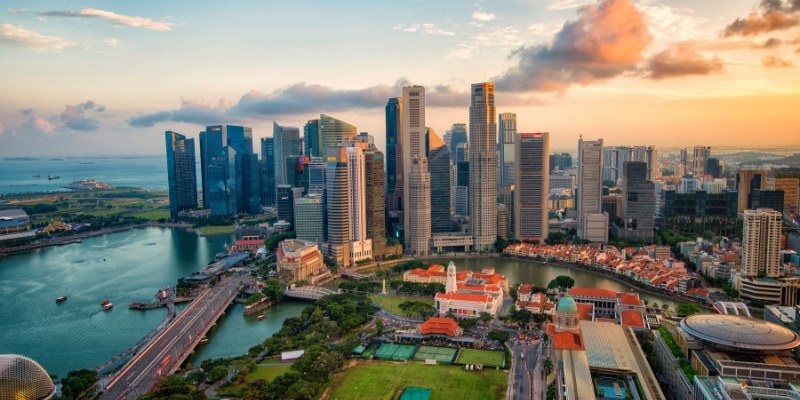
Train travel Southeast Asia works well here. Use Malaysia’s official railway operator, KTM, for routes between Kuala Lumpur and Butterworth, the mainland station for Penang. From Butterworth, the ferry into George Town is cheap and straightforward. For Singapore, you can take a bus from Kuala Lumpur or Penang, though flying can be worth it if a fare sale appears.
| City |
Suggested Stay |
Budget Strategy |
| Kuala Lumpur |
3 nights |
Stay near MRT or LRT lines |
| Penang |
3 nights |
Choose George Town for walkability |
| Singapore |
2 nights |
Stay near an MRT station, eat at hawker centres |
Singapore is where the budget gets tested. A basic room can cost more than several nights in Malaysia. Do not try to make Singapore cheap by staying far outside the city if it adds long daily transit. Two efficient nights near the MRT usually feel better than three inconvenient nights in a distant location.
Food is the balancing factor. Penang and Kuala Lumpur can keep daily meals under $15 if you eat locally. Singapore can still be reasonable if you use hawker centres such as Maxwell Food Centre or Old Airport Road Food Centre rather than tourist-heavy restaurants.
Route 3: Bangkok, Chiang Mai, And Phuket
This is the easiest Thailand-only version for travelers who want one country, three distinct moods, and minimal visa or border stress. Bangkok gives you temples, malls, markets, and rail connections. Chiang Mai adds cooler evenings, mountain day trips, and slower mornings. Phuket brings beaches and island tours, though it is the most expensive stop on this route.
The best budget move is taking the overnight train from Bangkok to Chiang Mai. Book through the official State Railway of Thailand site or a regional ticket platform such as 12Go Asia. A sleeper berth saves one hotel night and keeps the experience comfortable enough for most travelers.
Phuket is where travelers overspend on transfers and tours. Airport taxis, island packages, and private boats can quickly wreck a budget. Use shared minivans where practical, compare prices before booking island day trips, and avoid choosing the cheapest boat if the itinerary packs too many stops into one rushed day.
| Expense Category |
Low Budget |
Comfortable Budget |
| Bangkok to Chiang Mai train |
$25 to $45 |
$45 to $65 |
| Chiang Mai to Phuket flight |
$50 to $100 |
$100 to $140 |
| Local transport and transfers |
$80 to $140 |
$150 to $220 |
This route is good for travelers who want convenience. It is less ideal for anyone trying to avoid tourist crowds, especially in Phuket during peak dry season.
Route 4: Hanoi, Da Nang, And Ho Chi Minh City
Vietnam is one of the best countries for affordable multi destination Asia travel because the long north-to-south shape makes itinerary planning simple. You can start in Hanoi, move down to Da Nang or Hoi An, then finish in Ho Chi Minh City.
The train is slower than flying, but it gives you a better sense of the country. Vietnam Railways offers sleeper options through the official Vietnam Railways site. Budget flights on VietJet or Vietnam Airlines can be cheap, but baggage and seat fees matter. For travelers with only 9 or 10 days, use one train segment and one flight rather than forcing every transfer by rail.
Da Nang is the practical middle stop. It has better transport links than Hoi An, cheaper hotels than many beach destinations, and easy access to Hoi An by car or shuttle. Stay in Da Nang if you value convenience. Stay in Hoi An if atmosphere matters more than quick movement.
Route 5: Bali, Kuala Lumpur, And Bangkok
This route works when you want a mix of beach time, city food, and classic Southeast Asia energy, but it relies heavily on cheap flights between Asian cities. AirAsia and Scoot often make this possible under budget, especially outside school holidays.
The danger is luggage. AirAsia cabin rules are strict, and checked baggage costs less when bought online before travel. Read the latest AirAsia baggage rules before booking. A fare that looks like $49 can become $110 if you add bags at the airport.
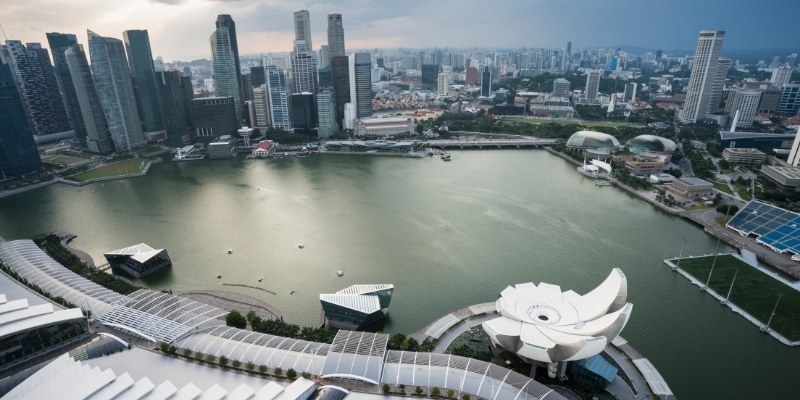
This route is better for light packers. It is not ideal for travelers carrying large suitcases, camera gear, or shopping-heavy plans. Airport time also adds up. Three flight-based cities in 10 days can feel choppy unless you book morning departures and avoid one-night stays.
Where Pre-Packaged Tours Make Sense
Affordable Asia tour packages are not always bad. They can work for nervous first-time travelers, older travelers who dislike border logistics, or anyone who wants airport transfers arranged. The problem is value. Many low-priced packages save money by using inconvenient hotels, slow group transfers, and filler stops.
Before booking any package, check:
- Are internal flights included, or only the first hotel?
- Are transfers private, shared, or not included?
- Are attraction tickets included, or sold later as add-ons?
- Are travel days placed during daylight hours, wasting usable time?
Compare packaged prices against self-booking through Skyscanner, Booking.com, 12Go Asia, and airline sites. If the package costs $300 more but saves airport stress and bad transfer timing, it may be worth it. If it costs $900 more and uses the same buses, build it yourself.
The Real Under-$1,500 Budget
For most travelers, the $1,500 target works best when international airfare is either included from a nearby region or bought during a fare sale. From North America or Europe, long-haul airfare can consume most of that number. From within Asia, Australia, or the Middle East, the target is far more realistic.
| Budget Line |
10 To 12 Day Estimate |
| Regional transport |
$150 to $350 |
| Budget hotels or guesthouses |
$250 to $500 |
| Food |
$150 to $300 |
| Local transit |
$60 to $150 |
| Tickets and day trips |
$150 to $300 |
| Buffer |
$150 to $250 |
The buffer matters. It covers airport transfers, SIM cards, laundry, baggage fees, and the one day when you are too tired to chase the cheapest option.
A multi-city Asia trip under $1,500 is realistic when the route is tight, the luggage is light, and the transport choices match your energy level. Choose the Indochina route for the most cultural variety at the lowest cost, Malaysia and Singapore for smoother logistics, Thailand for easy first-timer planning, Vietnam for strong value over distance, and Bali plus city hubs only if you can manage flight timing well. Book early where transport is limited, stay flexible where buses and trains run often, and spend money on the moments that improve the trip rather than on packaged convenience that only looks easier online.
Latest News

Bilbao vs Madrid: Where You’ll Spend Less on a Summer Vacation
March 8, 2026
10 Travel Hacks for Long Flights You’ll Wish You Knew Sooner
February 16, 2026

Europe Made Easy: 10 Best European Tour Operators for Senior Travelers
November 19, 2025

10 Best Places To Go For Fun Family Vacations
October 3, 2025

Best Cruise Destinations For 2026: Top Picks For Your Next Adventure
September 10, 2025
Peak Season Mastery: 10 Brilliant Strategies to Outsmart Tourist Crowds
September 7, 2025